
MOROCCO'S INVASION
Crushing Saharawi Dreams of Freedom
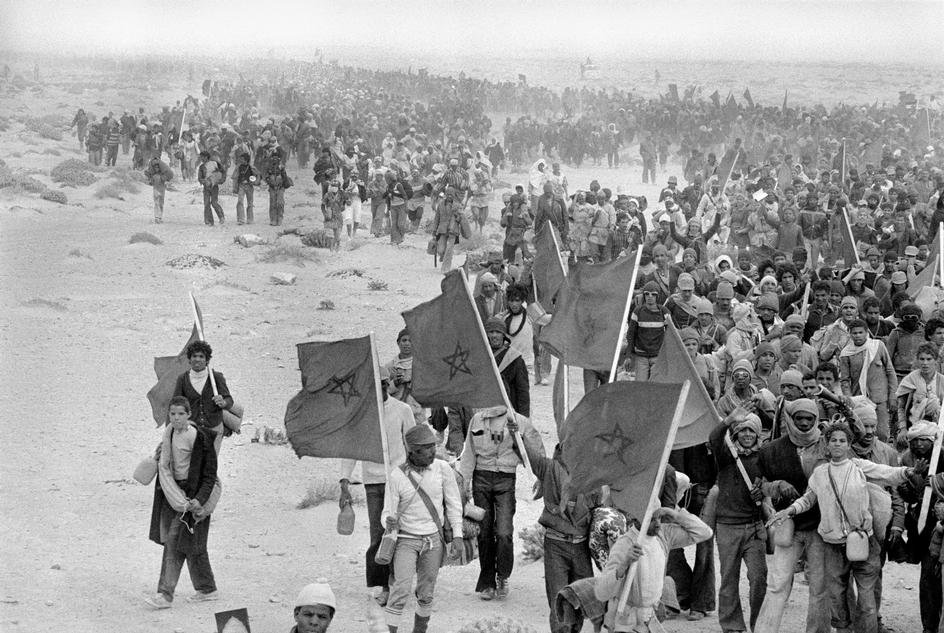
This huge and bold PR stunt effectively ignored the ICJ ruling of October 16 that same year, which had reaffirmed Saharawi self-determination rights and rejected the sovereignty claims over Western Sahara by neighbouring Morocco and Mauritania. At the same time it succeeded in pressuring a weakened Spain into signing the Secret Madrid Accords on Nov 14th, which handed Morocco and Mauritania administrative control over the territory.
For the Indigenous Saharawis, these events represented the equivalent of the Palestinian Nakba and the pre-mature shattering of their collective dreams for independence and statehood
Morocco's military invasion and occupation of Western Sahara, which started on October 31st, 1975 got virtually no international attention. This contrasted dramatically with the news made by the massive 'Green March' on November 6, a few days later. Orchestrated by the then ruling monarch King Hassan II, it mobilised 350,000 unarmed foot soldiers to reclaim ‘ancestral lands’ while the territory was still under Spanish colonial rule.
Becoming Second-Class Citizens
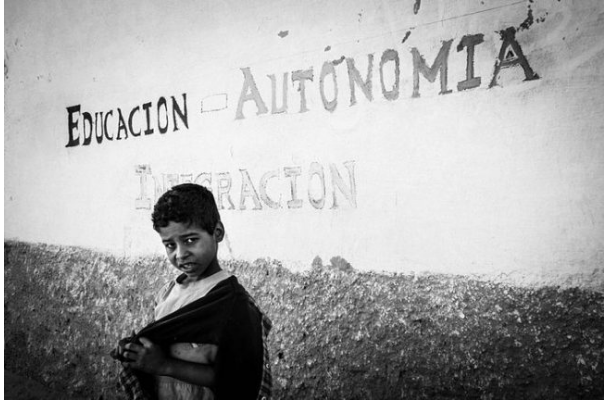
Under the Moroccan occupation, those Saharawis who had not fled the invasion soon became second-class citizens in their own homeland and were systematically deprived of their basic human rights. Between 1975 and 1991, some of the most glaring human rights violations took place: at least 500 Saharawis are known to have disappeared and many more suffered illegal detentions, imprisonment, torture and death, especially if suspected of having any pro-Polisario or pro-independence sentiments.
During these years the indigenous Saharawis lived in fear and terror of the Moroccan regime. The early days of its brutal occupation had beaten them into quiet submission.
But the generations growing up under the occupation were different.
Saharawi Resistance
The first major act of resistance took place in 1987 when many Saharawis went out en mass to protest against the disappearance, almost overnight, of thousands of students who had been dispersed to study in schools and universities inside of Morocco, far away from their families and community. Fearing the potentially destabilizing power of disaffected university-aged Saharawis, the Moroccan authorities had taken this decision to mitigate their political impact.
Life is Waiting: Referendum and Resistance in Western Sahara
Their fate remained largely unknown until 4 years later when many of them were released in 1991 in an act of royal pardon. Amongst those who were disappeared in 1987 was Aminatou Haidar who since has become one of the most Western Sahara's prominent human rights activists.
The event that came to symbolise the first Saharawi intifada took place soon after Morocco’s invading monarch, King Hassan II died, in 1999. The referendum, at this point, had already been delayed for seven years. It seemed a perfect moment for the occupied Saharawis to address their grievances and frustrations. The new monarch furthermore was preaching modernity and change: he wanted to improve Morocco’s image and standing in the West.
Modern technology, in the guise of mobile phones and the internet also played its role. For the first time, images and stories from the occupied territory were leaked to the outside world.
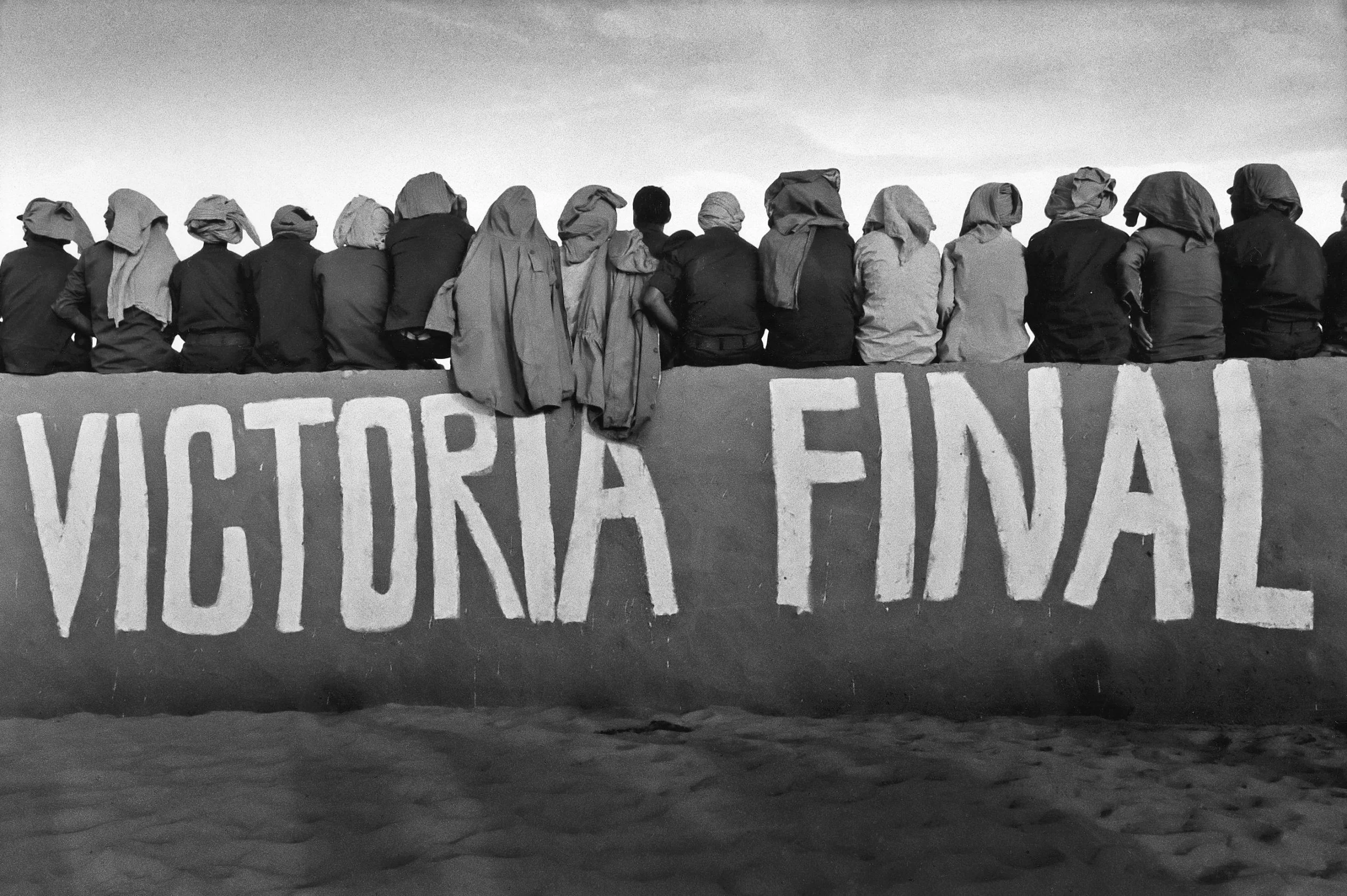
Photo by John Tordai
But instead, it provoked an outraged reaction. Taking advantage of visit by a UN fact-finding team to the territory in 1987, the Saharawis broke their barrier of fear and came out to protest. The response was typically brutal: those who had protested were rounded up and were disappeared.
Escaping Moroccan Occupation: The Sahara's Forgotten War
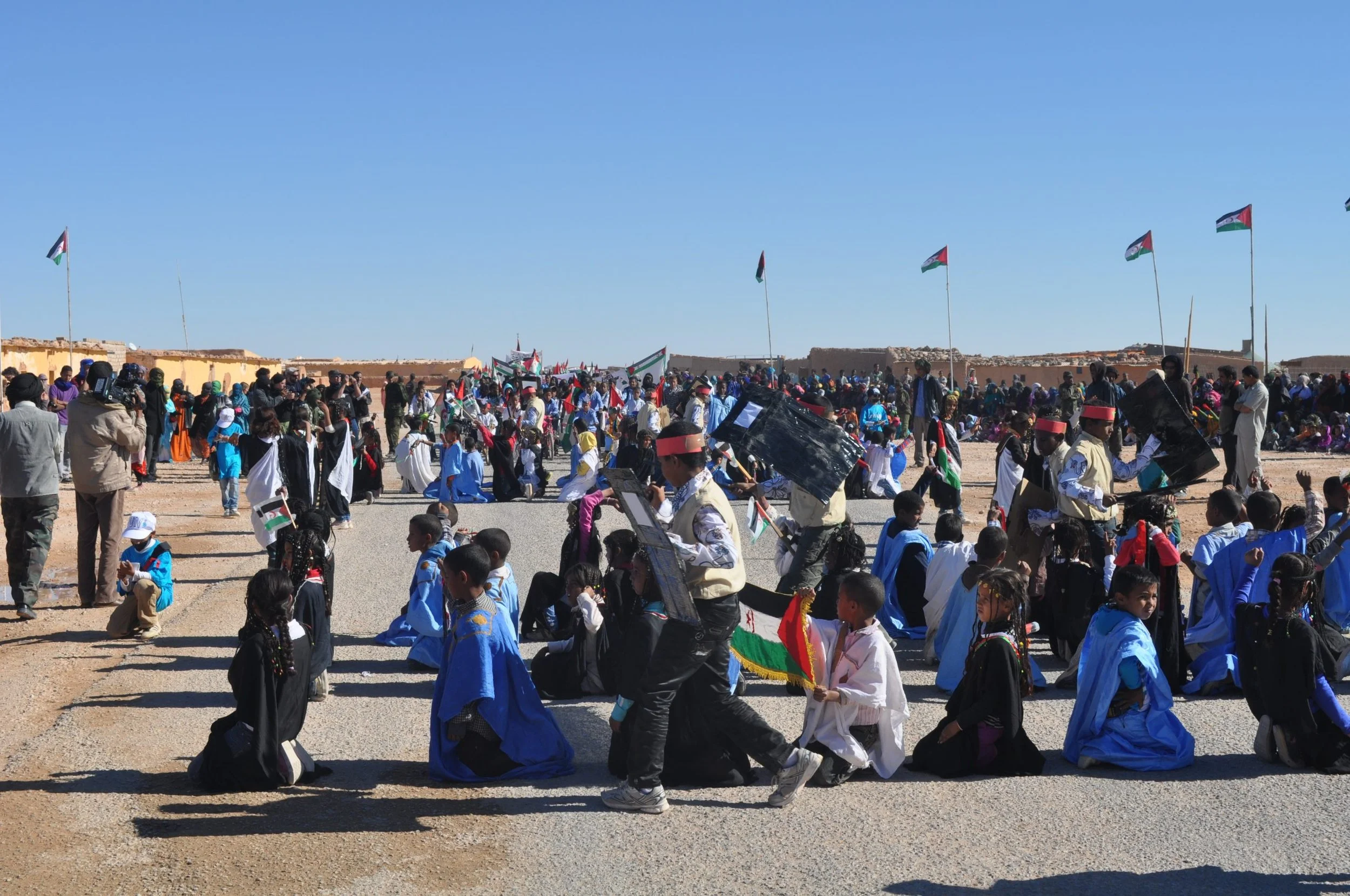
The new king, taken by surprise, initially hesitated, but then responded with force to crush the uprising. But the barrier of fear had been truly broken because several years later another big uprising took place to mark 30 years of Morocco’s occupation. Street demonstrations and clashes went on for months. Despite their largely peaceful activities, hundreds of Saharawis were arrested, beaten and tortured.
This intifada of 2005 represented another a turning point. It signalled a shift in the political struggle: the refugee camps were no longer primarily shaping the course of events. New Saharawi activists and leaders, under the occupation, were emerging and directly facing their oppressors. Sources close to the action indicate that more than 50% of Saharawi youth became politicised during this uprising. Fourteen to twenty-five year-olds were now becoming the most significant political force.
This is highlighted by the growing numbers of youths who have come to the camps to escape persecution from the Moroccan authorities.
Javier Bardem's 2012 documentary 'Sons of the Clouds' shows how Western Sahara's colonization has effected the people forced to live in refugee camps.
"There is no government too usurper or cruel, or king too sovereign that can look me in the eyes and claim they are not guilty. They can't, for they won't forget the times I have faced them, exposed them, and won.
– "I Am Sahara," Salka Embarak